5 online mistakes that can cost you money
If in 2026 we talk more and more about artificial intelligence (AI), observăm că aceasta este folosită din ce în ce mai des și în fraudele online. Potrivit Global Cybersecurity Outlook 2026, phishing and technology-assisted frauds remain the main causes of financial losses. However, 94% of global leaders believe that AI will be one of the most important forces shaping the digital security landscape in 2026.
Let's see together what the 5 most common mistakes are and how we can avoid them 😊.
1. Offering card data or security codes
You are asked for the card number, CVV, or a code received by SMS "to avoid account blocking"? It seems urgent, but it is a trap. Unfortunately, artificial intelligence has reached the point where it can very well replicate the language of banks, companies, or other institutions, so the messages can seem real.
Advice: Never transmit card details or passwords. Check directly in the bank's application or call the institution at the official number.
2. Payment on unsafe or unknown websites
„Super discount of 90% only today”? Have you seen this before. AI can create a fake online store in a few minutes. Copied logos, perfect pictures, impeccable texts, everything to convince you to enter your card details.
Tip:
- Check the website address: The difference might be very small, but it is there
- Make sure it has a secure connection: Take a look at the link. If it has the https formula + a padlock, you are safe
- Search for reviews about the merchant: If the site seems to be shady, probably it is, see what the rest of the reviews say
- Quickly test the site: The best is to quickly do a test with a tool like ScamAdviser.com
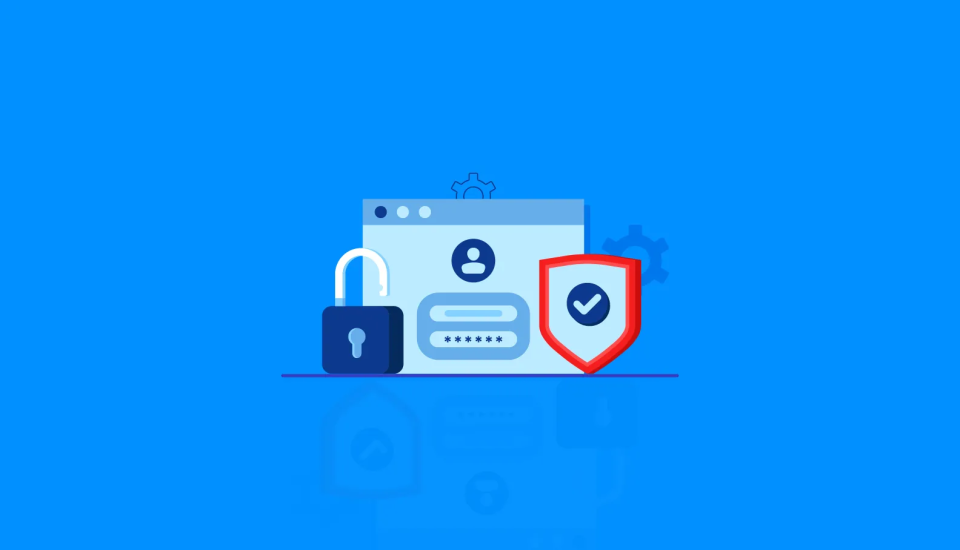
3. Not activating alerts and two-step authentication
Fraud can go unnoticed for hours or even days, during which time the money may already have been withdrawn, making it impossible to recover the amount later.
Advice: Activate notifications and the two-step authentication option in the bank's application. It is one of the most effective protection methods.
4. Impulsive reaction to messages that create panic
„Blocked account”, „Suspicious payment”, „Help me, please, urgently!”, to which are added even voice messages generated with AI that can imitate the voice of a close person. Practically, you have all the ingredients to face a panic situation. At that moment, logic diminishes, and the chances of falling into the trap of malicious persons increase exponentially. This is exactly the context that attackers rely on.
Advice: Close the call and dial that person at the number you know / have saved in the phonebook. You can also even set a security password with loved ones, for such situations. This way, both you and they remain safe.
5. Click on links received in messages or on social networks
Message sent by "your boyfriend"? By "courier"? Or by "bank"? Through artificial intelligence, links, documents, or even messages that look one to one can be generated, therefore under no circumstances click on such a message.
Advice: Enter the official website manually and remember that we, Banca Transilvania, will never send you messages with links.
The information for writing this article was provided to us by Romanian Banking Association (ARB), alongside Romanian Police and National Cybersecurity Directorate (DNSC).
For more resources, examples, and best practices for safety in the online environment, we are waiting for you on BT platform or we recommend a visit on #OnlineSafety.